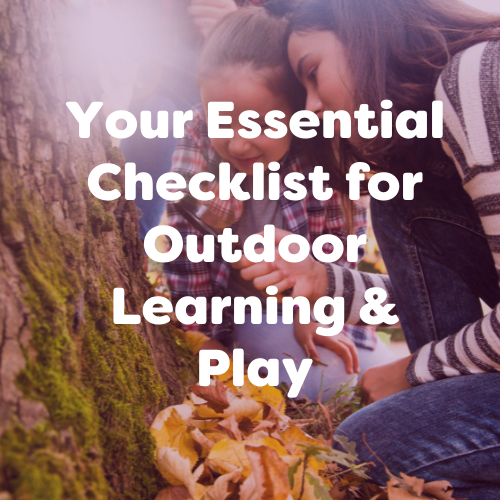
by EYR Team | Sep 26, 2022 | Learning Environment, Outdoor Learning
Outdoor learning can be whatever you make of it. You can use a lot of resources or a little, purchased products or nature’s finds. It can be shaped in any which way you want but still offers the same learning benefits and experiences. In this blog we share 6 essential...
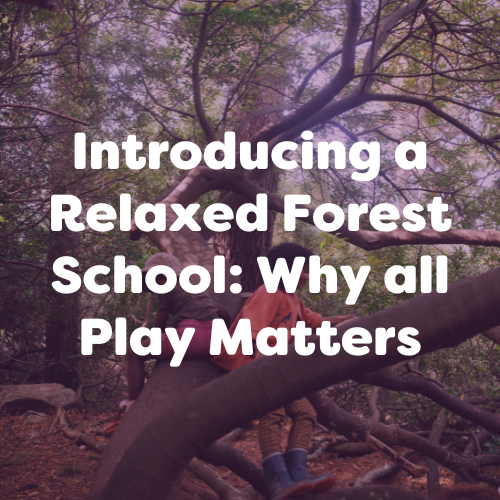
by EYR Team | Sep 19, 2022 | Early Years, Learning Environment, Outdoor Learning, Professional Development, Teachers' Corner
What is Forest School? Forest School has become a rapidly expanding pedagogy since being first introduced in the early 90s. It has a strong focus on the importance of child-led play and holistic development in the natural environment. A variety of long-term benefits...
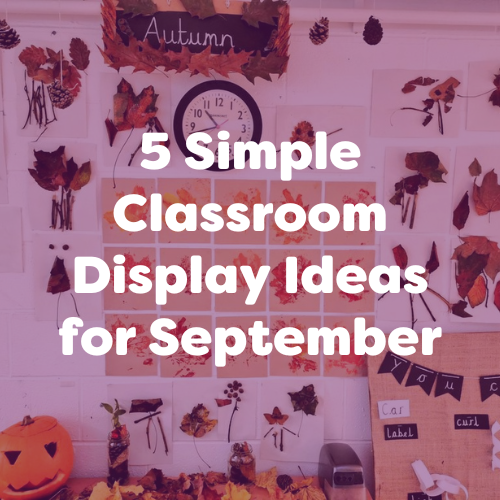
by EYR Team | Aug 9, 2022 | Early Years Resources, Learning Environment, Primary Resources
Displays are essential no matter the size of your setting. They can be great methods of adding colour, exploring aspects of the EYFS curriculum or showcasing children’s work. In this blog we share 5 simple classroom display ideas for early years, from seasonal...
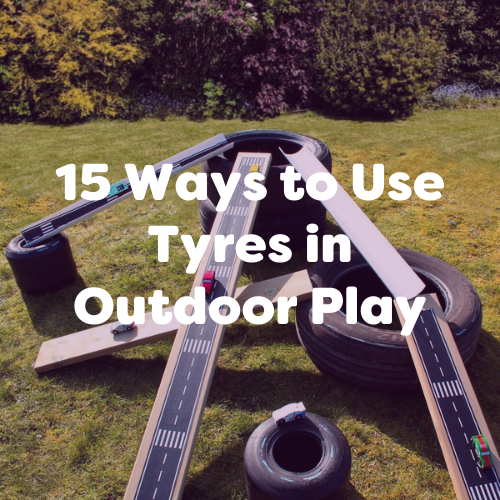
by EYR Team | May 23, 2022 | Inspiration, Learning Environment, Our Eco-Environment, Outdoor Learning
Tyres are a fantastically versatile and upcycled resource that can be used in a variety of different ways. Naturally weatherproof and tough, they are a great option to use outdoors with your little ones. In this blog, we provide 15 ways to incorporate them into your...
by EYR Team | Apr 19, 2022 | Inspiration, Learning Environment, Our Eco-Environment, Outdoor Learning
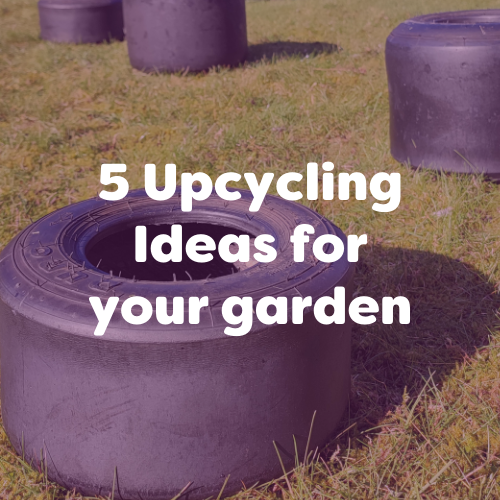
Many people think that gardening is expensive, and requires a lot of time and effort to maintain. But it doesn’t have to be. The truth is that you don’t need loads of money to start gardening. By combining these upcycling ideas with what you already have...
by EYR Team | Mar 8, 2022 | Early Years Resources, Learning Environment, Outdoor Learning, Primary Resources
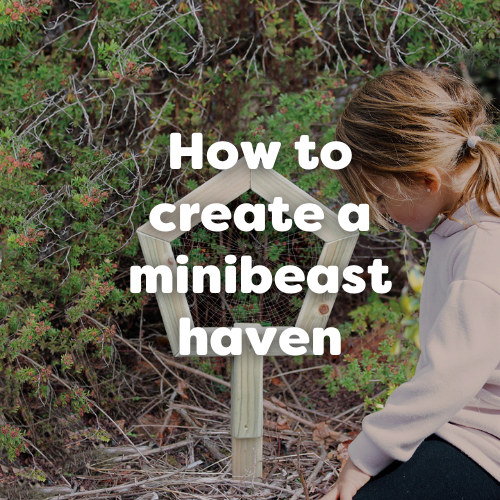
What is a minibeast? A minibeast, creepy crawlies, insects and bugs are quite literally a small animal. They are defined as “invertebrates” which means that they don’t have a skeleton inside their body. This often means they have other forms of protection such as...