
by EYR Team | Jul 11, 2022 | Early Years Ideas, Outdoor Learning
Sponges are an inexpensive resource that can be used in a variety of different ways to support early childhood development. In this blog we share 5 ways to use sponges of different sizes and shapes in learning and play. These sponge activities have been carefully...
by EYR Team | Jun 13, 2022 | Early Years Ideas, Outdoor Learning
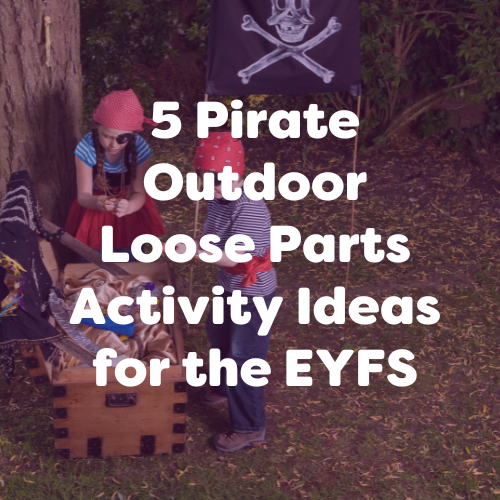
A-Hoy me hearties! Looking for some new Pirate activities for your little ones to get hooked on? This blog brings you a treasure trove of EYFS pirate activities & ideas using simple outdoor loose parts. From imaginative play to physical development, there are a...
by EYR Team | May 23, 2022 | Inspiration, Learning Environment, Our Eco-Environment, Outdoor Learning
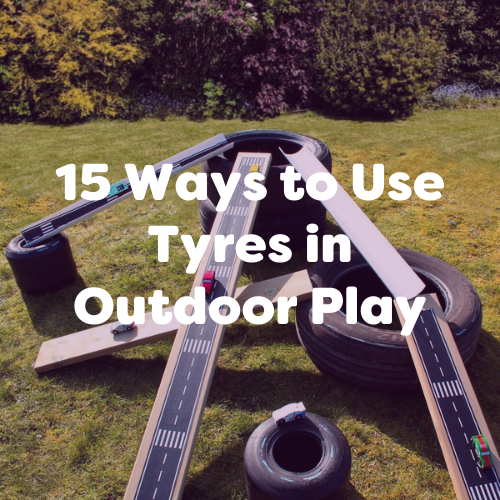
Tyres are a fantastically versatile and upcycled resource that can be used in a variety of different ways. Naturally weatherproof and tough, they are a great option to use outdoors with your little ones. In this blog, we provide 15 ways to incorporate them into your...
by EYR Team | Apr 19, 2022 | Inspiration, Learning Environment, Our Eco-Environment, Outdoor Learning
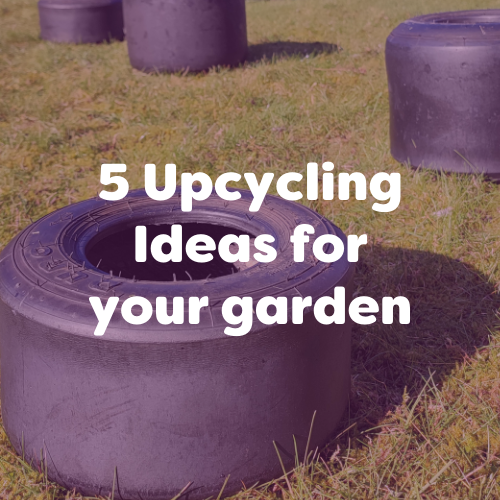
Many people think that gardening is expensive, and requires a lot of time and effort to maintain. But it doesn’t have to be. The truth is that you don’t need loads of money to start gardening. By combining these upcycling ideas with what you already have...
by EYR Team | Apr 11, 2022 | Early Years Ideas, Home School Ideas, Outdoor Learning
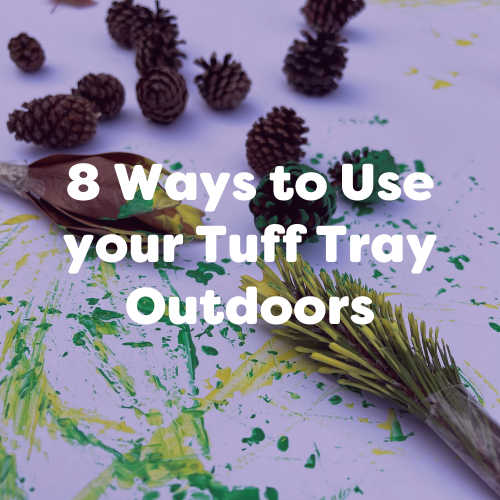
We’ve got some awesome ideas to use your Tuff Tray Outdoors that we would love to share with you! We all know about the importance of getting outside. However, it can be difficult to think of new and exciting activities that keep little ones engaged without...
by EYR Team | Mar 8, 2022 | Early Years Resources, Learning Environment, Outdoor Learning, Primary Resources
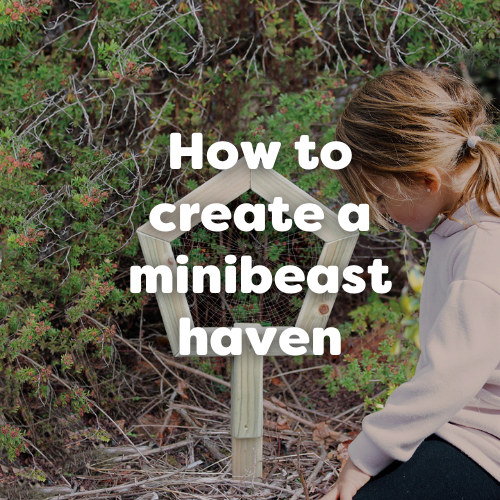
What is a minibeast? A minibeast, creepy crawlies, insects and bugs are quite literally a small animal. They are defined as “invertebrates” which means that they don’t have a skeleton inside their body. This often means they have other forms of protection such as...